
If You’ve Tried To Reduce Tinnitus… But It Keeps Coming Back
Many common approaches focus on managing symptoms — yet the ringing keeps coming back. Some approaches may not be addressing the issue in the most effective way — which could explain why results often feel temporary, especially as the ringing starts affecting your sleep or daily focus.

In a recent presentation, Dr. Dean Ornish — trained at Harvard Medical School — shares a different perspective on what may be driving it.
This may help you understand why the ringing keeps coming back — and what people are starting to look at differently.
Why Does It Keep Coming Back — Even When You Try To Ignore It?
A lot of people notice the ringing becomes harder to ignore at certain moments — especially when things get quiet, or when they finally try to relax.
For some, it starts interfering with conversations, focus… or even sleep.
And for many, nothing they try seems to make it stop for good.
Why Many Solutions Fall Short Over Time
Most common approaches are designed to deal with the symptoms…
But what if the real issue isn’t starting where people usually think?
That might explain why the ringing keeps returning — even after trying different methods.
In a recent presentation, Dr. Dean Ornish — trained at Harvard Medical School — shares a perspective that most people have never considered.
Why Dr. Dean Ornish Took A Different Look At Tinnitus
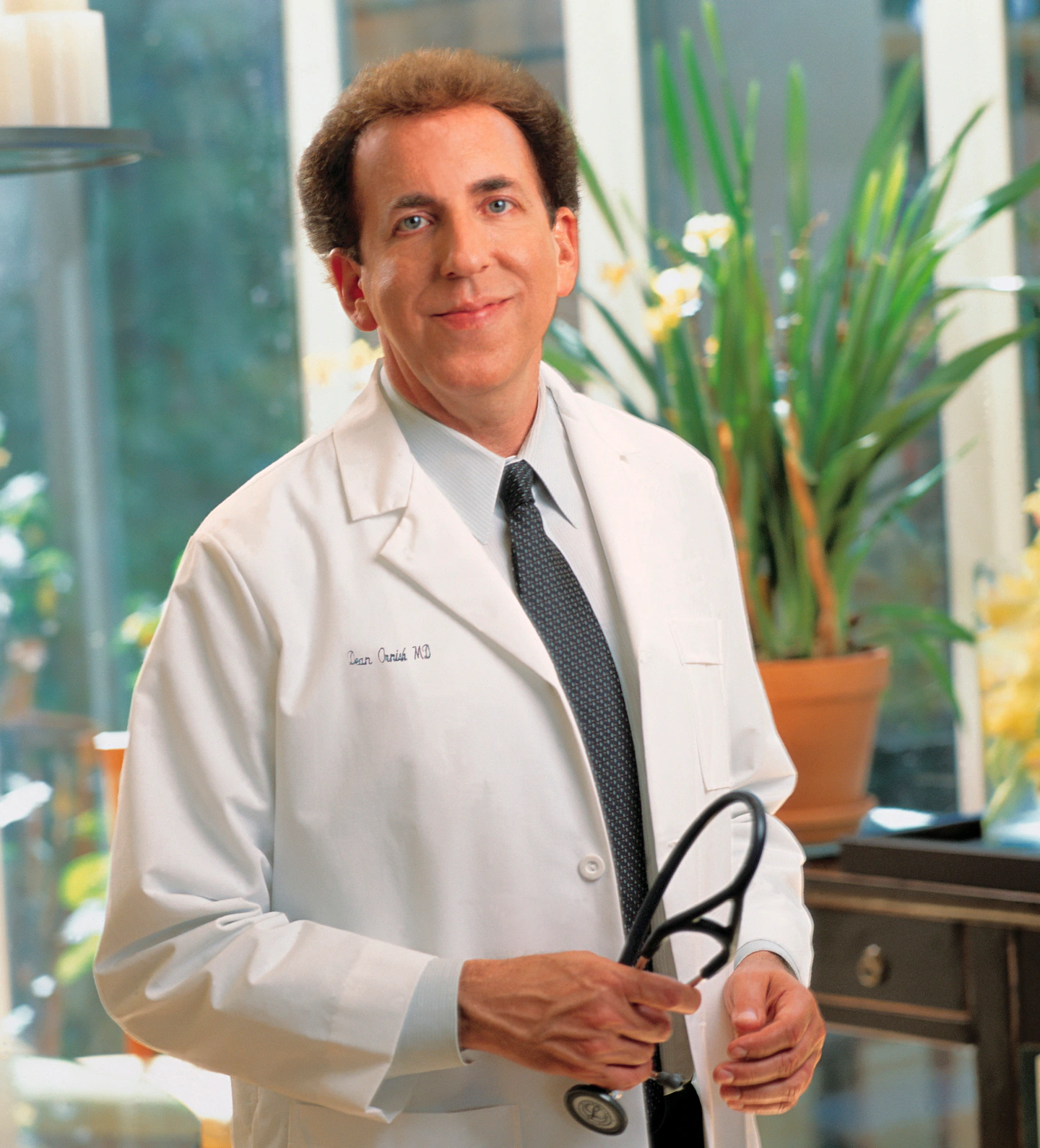
Dr. Dean Ornish
MD, chronic inflammation expert
Dr. Dean Ornish, trained at Harvard Medical School, has spent years researching how internal health factors can influence persistent conditions like tinnitus.
After hearing from many people struggling with constant ringing, poor sleep, and growing frustration, he began looking deeper into why the problem often feels worse in quiet moments — especially at night.
According to his findings, the issue may not always begin in the ears alone… which could explain why so many approaches fail to bring lasting relief.
His explanation connects this in a way most people haven’t seen before.
Real Stories from Tinnitus Survivors
Real results from real people

Karen, 57
Austin, TX
"For years, I thought I was doomed to live with this incessant buzzing. I'd find myself pressing my hands over my ears desperately in meetings, hoping for a moment of peace. It was embarrassing and isolating. When I heard about this new approach, it finally made sense why the ringing seemed like my brain's cry for help. I'm amazed my doctor never mentioned it!"

Mike, 62
Seattle, WA
"It's like having a fire alarm in your head that only you can hear. I was struggling to keep up with conversations at family dinners because the noise just wouldn't stop. After trying so many meds that only masked symptoms, I came across something that connected the dots. It's frustrating how Big Pharma profits while leaving people in the dark."

Mary, 68
Richmond, VA
"I vividly remember an outing with friends where I couldn't focus on anything but the shrill whine inside my head. It was like living in a bubble of noise-induced isolation. Discovering a natural way that actually addressed the inflammation causing my tinnitus has been life-changing. Can't believe this isn't common knowledge yet!"
Common Questions About Tinnitus
Why does tinnitus seem worse at night?
Many people notice it becomes more noticeable in quiet moments, but some findings suggest there may be more going on beneath the surface.
Can tinnitus really affect sleep and focus?
Yes. For some, it can interfere with rest, concentration, and daily activities — especially over time.
Why don’t common approaches seem to work?
Some methods focus only on managing symptoms, which may not fully address what’s causing the issue.
Is there a different way to understand tinnitus?
Some recent explanations suggest looking at the problem from a different perspective than most people are used to.
Where can I see the full explanation?
There’s a short presentation that walks through this in a simple and clear way.